Guest guide
Why homestays keep Raja Ampat's tourism money local
Raja Ampat's homestays are run by Papuan families in their own villages. When you stay with them, the money for your room, meals, boat and guide stays in the village.

DAMPIER team
October 5, 2026 · 3 min read
Raja Ampat keeps appearing on the world's travel lists. Condé Nast Traveler ranked it first among its "7 Wonders of Southeast Asia" for 2026, and foreign arrivals grew almost tenfold between 2020 and 2024, to around 25,000 visits. The question is where the money from all those visits ends up.
Who owns the homestays
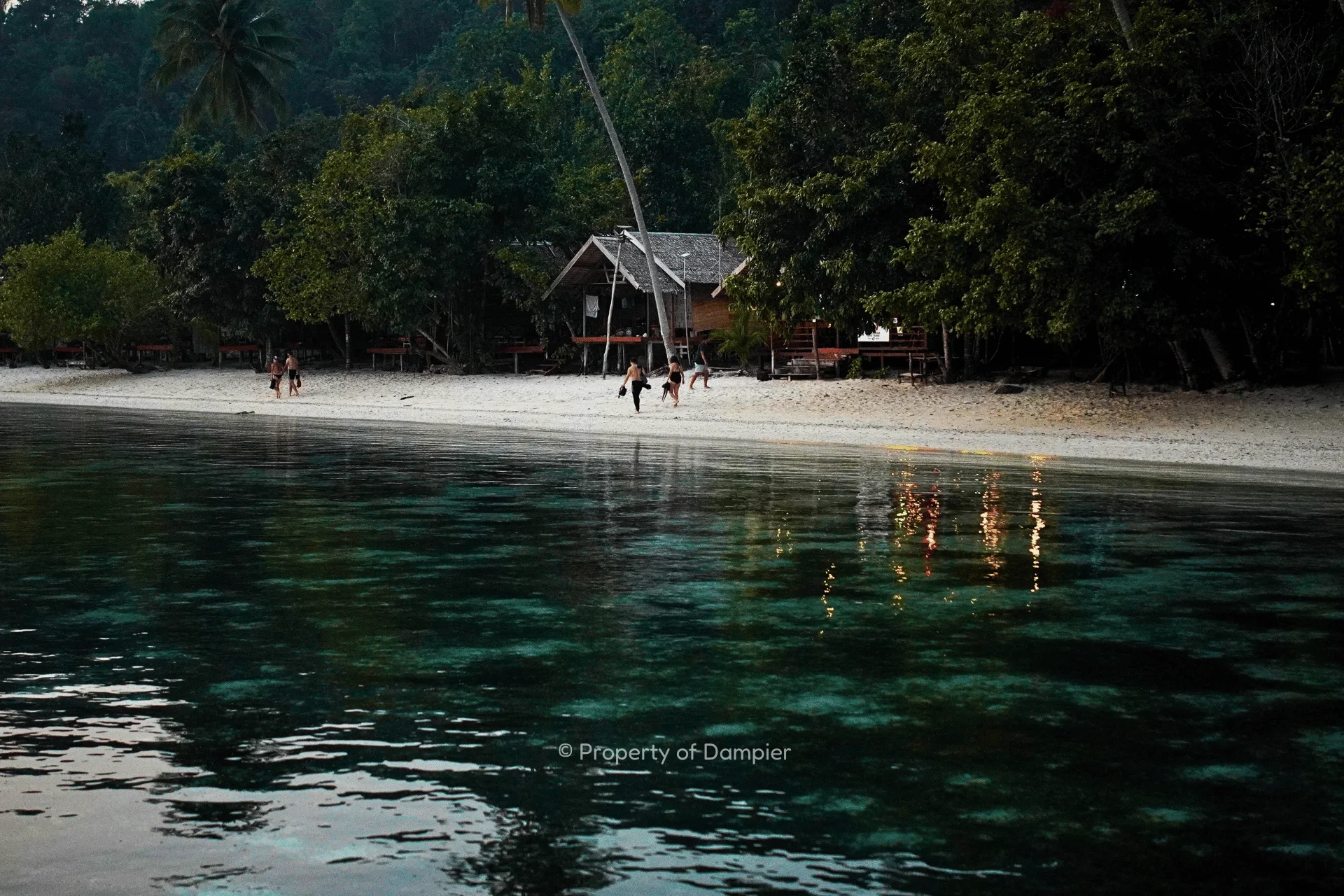
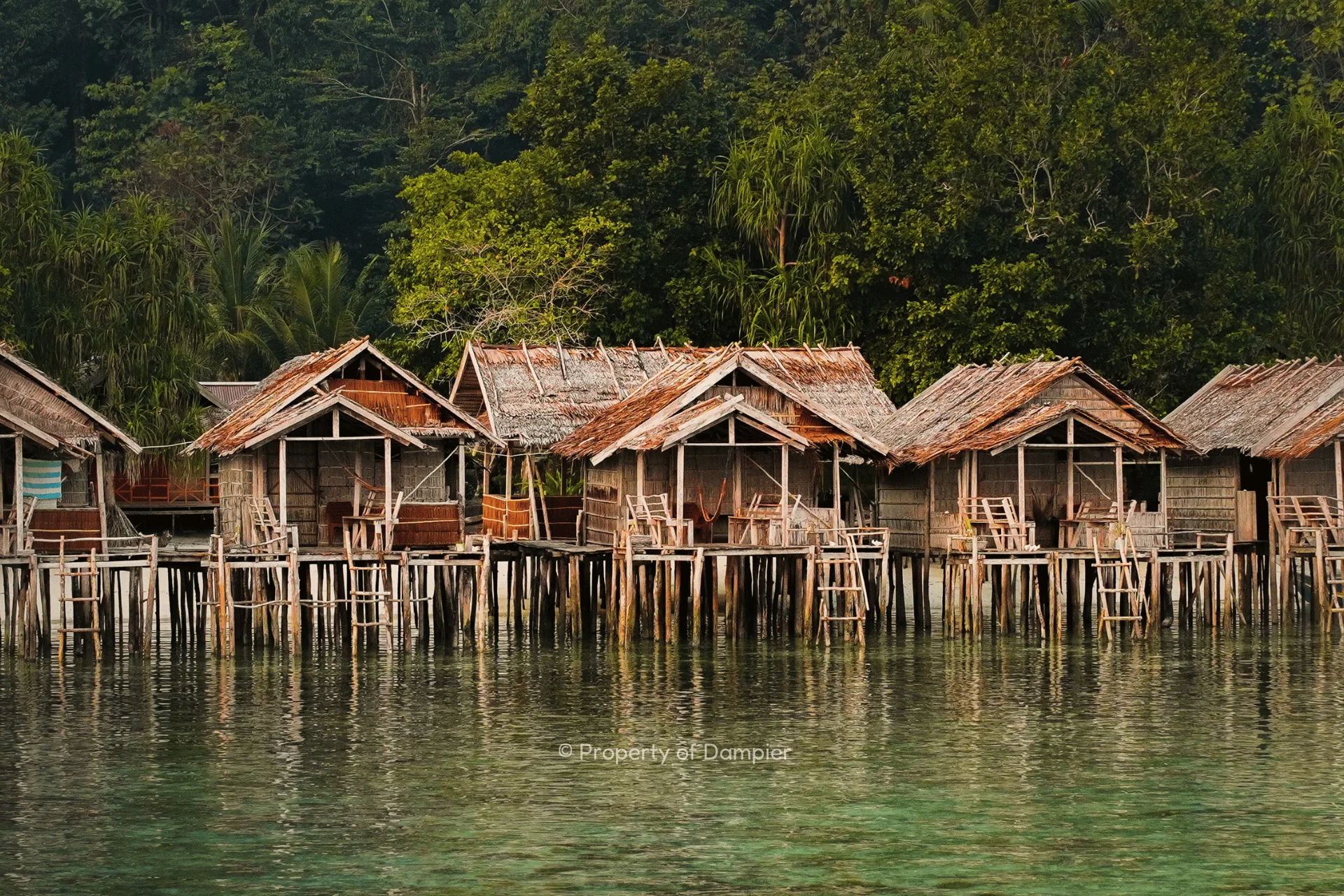
Most homestays in Raja Ampat are built and run by Papuan families in their own villages, on land and beaches held under customary ownership. They are simple places, usually a few wooden bungalows on the beach or over the water, with meals shared with the host family.
The money stays in the village
When you stay at a resort owned by outside investors, much of what you spend leaves Raja Ampat as profit, salaries and goods shipped in from far away. A homestay works differently.
- Your room and meals are paid straight to the host family.
- The boat between islands often belongs to a neighbour or relative, and the boatman is from the village.
- Snorkelling and trip guides are young people who grew up on these waters.
- Fish and vegetables are often bought from local fishers and gardens.
Villages that benefit protect their reefs
Raja Ampat's reefs are still healthy partly because local people look after them, through sasi (traditional seasonal closures), patrols and village rules. When a healthy sea brings guests and income, protecting it becomes an economic choice that makes sense, not just a duty.
In 2025, plans for nickel mining on several Raja Ampat islands drew wide international coverage, and the government went on to revoke four mining permits. Local opinion is divided. Some families depend on tourism, others hope for mining jobs. Tourism that brings real income to villages strengthens the case for protecting the sea, and every night you spend in a homestay adds weight to it.
The levy goes back to villages too
Since 2026, 15 percent of Raja Ampat's tourism levy has been allocated to tourism development at village level. So part of the entry fee you pay also flows back to tourism villages.
How DAMPIER works with homestays
On DAMPIER, homestays receive 100 percent of the price they set themselves. A small amount added on top pays for the platform, a field team that travels between islands checking partners, and a shared growth fund for partners, delivered as equipment such as Starlink Mini rather than cash. The full breakdown is open on our How it works page.
Before you book
- Ask what the price includes. Usually that means three meals, drinking water and transfers from Waisai.
- Electricity often runs only in the evening and mobile signal is limited. Think of it as part of the experience.
- Sunday is a day of worship in many villages. Things are quieter, and modest clothing in the village is appreciated.
- Take your own plastic waste home where you can, because island villages struggle to ship rubbish out.
A homestay is not a five star hotel, and it does not try to be one. What you get is a bed a few steps from the reef, fish caught that morning, and money that stays with the people who look after the place.
Share this article